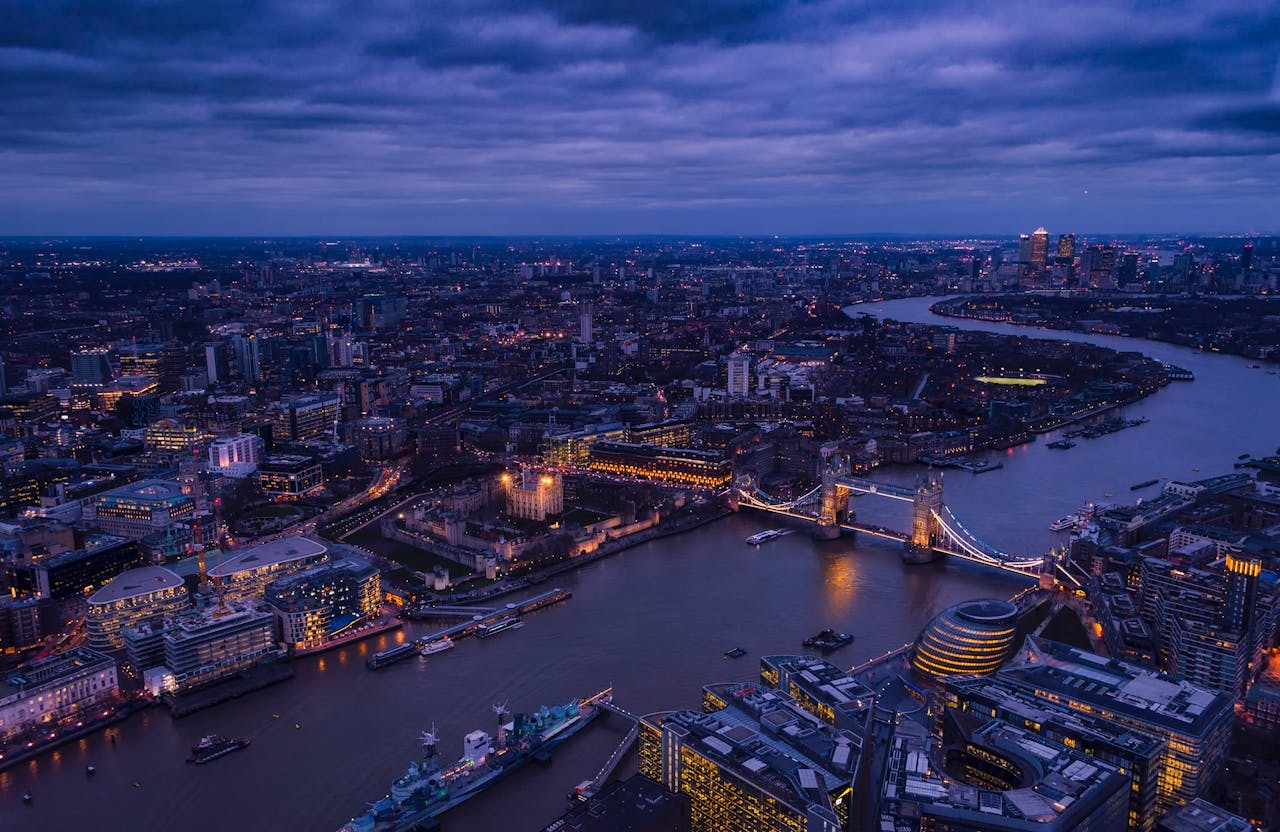

Heritage conservation plays a crucial role in the development and identity of modern British cities. As urban areas continue to evolve, the pressure to replace historical buildings with contemporary structures often grows. However, maintaining the integrity of cultural heritage is vital for several reasons. It not only preserves the historical narrative of a city but also contributes to its economic vitality and social cohesion.
Firstly, cultural heritage provides a sense of identity and continuity for communities. Historical buildings and sites remind residents of their roots and the stories that shape their locality. This connection fosters a sense of belonging and pride among inhabitants, which is essential in an era where urban migration often leads to feelings of isolation and disconnection.
Moreover, heritage conservation enhances the aesthetic appeal of cities. Well-preserved historical sites can create a unique atmosphere that attracts both residents and tourists. Cities like Bath and Edinburgh are prime examples, where the blend of modern life with historical architecture creates a vibrant urban experience. Such aesthetics not only beautify the landscape but also contribute to tourism, which is a significant economic driver.
Additionally, there is an economic argument for heritage conservation. Restoring and maintaining historical buildings can be more cost-effective than demolition and new construction. Renovated properties often have higher market values, and they can generate revenue through tourism and local businesses. Furthermore, preserving heritage can lead to the creation of jobs in restoration, maintenance, and tourism sectors.
From a social perspective, heritage conservation encourages community engagement and participation. Communities often come together to advocate for the preservation of their local heritage, fostering social bonds and collaborative efforts. This engagement can lead to a stronger community spirit, enhancing social networks and resilience among residents.
In conclusion, heritage conservation is not merely a nostalgic endeavor; it is a crucial aspect of urban planning and development in modern British cities. By maintaining the historical fabric of urban areas, cities can create vibrant, economically viable, and socially cohesive environments. Understanding and valuing heritage is essential in navigating the challenges of modern urbanization.
Understanding the Impact of Urbanization on Heritage Sites
The rapid pace of urbanization in the UK has significant implications for heritage conservation. As cities expand and evolve, the pressure on historical sites intensifies. Urban sprawl often leads to the encroachment of modern developments on valuable heritage sites. This encroachment can result in the demolition of historical buildings, which not only erases the physical structure but also the cultural stories they represent.
Many cities face the challenge of balancing development needs with the preservation of their heritage. Urban planners and local governments must navigate complex regulations and community interests. This balancing act requires a nuanced understanding of both the historical significance of heritage sites and the practical needs of a growing urban population.
In many instances, local communities play a pivotal role in advocating for the preservation of their heritage. Grassroots movements often emerge in response to proposed developments that threaten historical sites. These movements can be powerful, as they unite residents in a common cause, often leading to successful campaigns to protect their local heritage.
However, heritage conservation is not without its challenges. Financial constraints can limit the ability of local authorities to maintain and restore historical sites. Many heritage sites require significant investment for restoration, and securing funding can be difficult. Furthermore, there is often a lack of public awareness regarding the importance of heritage conservation, which can hinder community support.
Additionally, the impact of climate change poses a significant threat to heritage conservation efforts. Historical buildings are often more vulnerable to the effects of severe weather events and rising sea levels. Adapting these structures to withstand such changes while preserving their historical integrity presents another layer of complexity for conservationists.
To address these challenges, a collaborative approach is essential. Engaging various stakeholders, including local communities, government agencies, and conservation organizations, can lead to more effective heritage conservation strategies. This collaborative effort can help ensure that the historical narrative of British cities is preserved, while also accommodating the needs of modern urban life.
Benefits of Heritage Conservation for Local Communities
Heritage conservation offers multiple benefits to local communities, ranging from economic advantages to enhanced social cohesion. One of the most significant benefits is the promotion of local identity. Preserving historical sites gives communities a sense of place and belonging. It fosters a connection to the past, allowing residents to understand their community’s history and cultural heritage.
Moreover, heritage sites can serve as focal points for community activities. Many historical buildings and spaces are repurposed for cultural events, markets, and festivals. These activities not only encourage community interaction but also attract visitors, contributing to the local economy.
Another essential benefit is the educational value of preserved heritage. Historical sites provide tangible links to the past, offering opportunities for learning and engagement. Schools and educational organizations often utilize these sites for educational trips, deepening students’ understanding of history and culture.
Furthermore, heritage conservation can enhance property values in the surrounding areas. Homes and businesses located near well-preserved historical sites often see increased demand, leading to higher property values. This phenomenon can help revitalize neighborhoods, attracting new residents and businesses.
-
Economic Growth: Heritage sites can boost local economies through tourism and business development.
-
Community Engagement: Preserving heritage fosters a sense of community and encourages public participation.
-
Educational Opportunities: Historical sites serve as valuable resources for education and learning.
-
Increased Property Values: Heritage conservation can lead to higher property values in surrounding areas.
In addition to these benefits, heritage conservation can also promote sustainable development. By revitalizing existing structures instead of building new ones, communities can reduce their environmental impact. This approach aligns with broader sustainability goals, demonstrating how heritage conservation can contribute to a more sustainable urban future.
Challenges and Future Directions for Heritage Conservation
Despite the numerous benefits of heritage conservation, several challenges remain. As urban areas continue to grow and change, the preservation of historical sites becomes increasingly complex. One of the primary challenges is the tension between development and conservation. Urban planners often face pressure to prioritize new construction that meets the demands of modern living, which can sideline the importance of preserving historical sites.
Another significant challenge is securing funding for conservation efforts. Many heritage sites rely on public funding, which can be limited, especially in times of economic uncertainty. Additionally, private funding sources may prioritize projects with immediate financial returns, making it difficult for heritage conservation initiatives to compete.
Moreover, public awareness and advocacy play a crucial role in heritage conservation. Many residents may not fully understand the importance of preserving local heritage. Raising awareness about the cultural, economic, and social benefits of conservation is essential for garnering community support.
Looking to the future, innovative solutions are needed to address these challenges. One potential approach is the integration of heritage conservation into broader urban planning frameworks. By incorporating heritage considerations into development plans, cities can ensure that the historical fabric of urban areas is preserved alongside modern needs.
Additionally, leveraging technology can enhance heritage conservation efforts. Digital tools can be utilized for documentation, restoration, and public engagement. Virtual reality and augmented reality applications can help raise awareness about the importance of heritage, allowing people to experience historical sites in new and interactive ways.
Furthermore, fostering partnerships between government agencies, non-profit organizations, and community groups can lead to more effective conservation strategies. Collaborative approaches can ensure that diverse perspectives are considered, leading to more sustainable outcomes.
In conclusion, while challenges persist, the future of heritage conservation in modern British cities holds potential. By prioritizing the preservation of cultural heritage, cities can create vibrant, inclusive, and resilient urban environments that honor their historical roots while embracing modernity. The commitment to heritage conservation will ultimately shape the identity and character of urban spaces for generations to come.